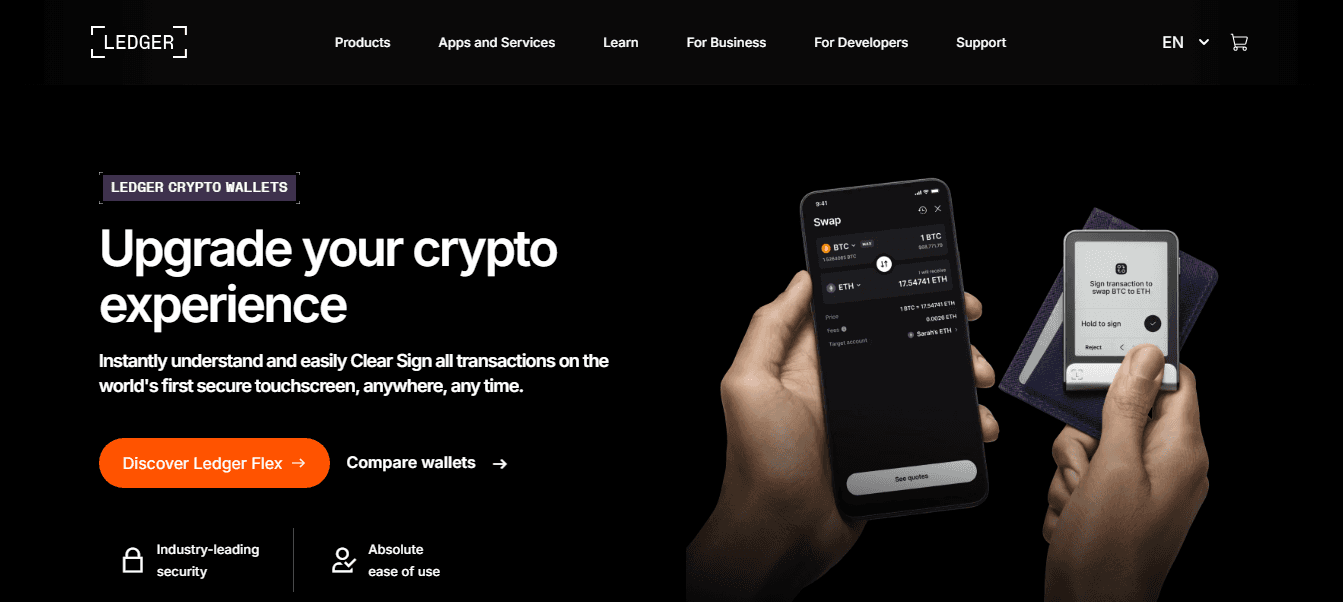
Ledger Login: Advanced Security for Accessing Crypto Accounts
Ledger Login is a secure authentication solution designed to protect access to cryptocurrency-related accounts and services. Instead of relying on traditional usernames and passwords, Ledger Login uses a Ledger hardware wallet as the primary verification tool. This method ensures that only the person who physically owns the device can approve login requests, greatly reducing the risk of unauthorized access.
As digital assets continue to grow in value and importance, attackers increasingly target login credentials. Ledger Login addresses this threat by moving authentication away from vulnerable digital information and into a secure hardware-based system controlled entirely by the user.
Understanding Ledger Login
Ledger Login is a login mechanism that verifies identity using cryptographic proof stored on a Ledger hardware wallet. When a login attempt is made, the user must confirm it directly on their physical device. This confirmation proves ownership of the required cryptographic keys without exposing them to the internet.
Unlike traditional systems that store passwords on servers, Ledger Login avoids centralized credential storage. Private keys never leave the hardware wallet, making remote attacks and data breaches far less effective.
How Ledger Login Works
Ledger Login functions through secure cryptographic signing. When a user attempts to log in, a unique authentication request is created. This request is sent to the Ledger hardware wallet, where the user reviews and approves it.
Once approved, the device signs the request internally using its protected private keys. The signed response confirms the user’s identity without revealing sensitive data. Since this process happens entirely within the hardware wallet, attackers cannot intercept or manipulate authentication credentials.
Why Ledger Login Is Safer Than Passwords
Passwords are one of the weakest points in digital security. They can be guessed, reused, stolen through phishing, or exposed in data breaches. Ledger Login removes passwords from the authentication process altogether.
Because login approval requires physical interaction with the hardware wallet, attackers cannot gain access remotely. Even if a computer or smartphone is infected with malware, Ledger Login prevents unauthorized access without the device itself.
Setting Up Ledger Login
To use Ledger Login, a Ledger hardware wallet must first be properly initialized. This includes setting a secure PIN and recording a recovery phrase. These steps ensure that the device itself is protected from unauthorized use.
Once the device is ready, Ledger Login can be configured for supported services. The setup process is guided and designed to minimize errors. Clear instructions help users link their hardware wallet to authentication requests securely and efficiently.
User Experience and Accessibility
Ledger Login is designed to balance strong security with usability. When a login request appears, the hardware wallet displays relevant details so users can confirm that the request is legitimate. Approval requires a simple physical action on the device.
Although this process may take slightly longer than typing a password, it provides a significant security advantage. Users gain confidence knowing that access to their accounts cannot be granted silently or remotely.
Defense Against Phishing Attacks
Phishing is one of the most common threats in the crypto ecosystem. Fake websites and messages often trick users into entering login credentials. Ledger Login protects against these attacks by requiring hardware confirmation.
Even if a user interacts with a malicious site, the attacker cannot complete the login without access to the hardware wallet. Seeing login requests directly on the device helps users identify suspicious activity and deny unauthorized attempts.
Hardware-Based Authentication Benefits
Ledger Login is an example of hardware-based authentication, which relies on something the user physically owns rather than information they remember. This approach significantly strengthens account security.
Hardware-based authentication reduces the risk of credential theft, brute-force attacks, and unauthorized access. It is especially effective for protecting high-value crypto accounts and sensitive blockchain services.
Privacy-Focused Authentication
Ledger Login prioritizes user privacy by avoiding the collection or storage of personal information. Authentication is performed through cryptographic verification rather than usernames, passwords, or personal data.
Because no sensitive login data is stored in centralized databases, the risk of mass data breaches is reduced. Users maintain full control over their authentication process without relying on third parties to safeguard credentials.
Device Security and Recovery
Ledger Login relies on the security of the Ledger hardware wallet. The device is protected by a PIN, preventing unauthorized use if it is lost or stolen. In addition, a recovery phrase allows users to restore access if the device is damaged or replaced.
Properly storing the recovery phrase offline is essential. This phrase ensures continuity of access while maintaining strong protection against unauthorized recovery attempts.
Ledger Login and Multi-Layer Protection
Ledger Login can be used as part of a broader security strategy. Combining hardware-based authentication with other security measures creates multiple layers of defense.
This layered approach is especially valuable for users who manage significant digital assets or access sensitive platforms. Ledger Login adds a strong physical security layer that complements other protections.
Practical Use Cases for Ledger Login
Ledger Login is well suited for users who prioritize security and self-custody. It is particularly useful for accessing crypto wallets, blockchain services, and platforms that require strong identity verification.
Investors, developers, and long-term crypto holders benefit from the added protection provided by hardware-based login approval. Ledger Login ensures that account access remains firmly under user control.
Limitations and Considerations
While Ledger Login offers exceptional security, it requires access to the hardware wallet whenever authentication is needed. Users must keep their device available, which may be less convenient in certain situations.
However, this requirement is also the core strength of Ledger Login. The need for physical confirmation is what prevents remote attacks and unauthorized access.
Best Practices for Using Ledger Login
To use Ledger Login securely, users should keep their hardware wallet in a safe place and never share their PIN or recovery phrase. Reviewing login requests carefully before approval is essential.
Keeping device firmware updated and avoiding untrusted computers further enhances security. Following these best practices ensures long-term protection and reliability.
The Role of Ledger Login in the Future
As cyber threats evolve, secure authentication methods are becoming increasingly important. Ledger Login represents a shift toward stronger, user-controlled security solutions that reduce reliance on vulnerable credentials.
Hardware-based authentication is likely to play a growing role in protecting digital identities and assets. Ledger Login sets an example of how security and usability can coexist effectively.
Conclusion
Ledger Login is a powerful authentication system that replaces traditional password-based logins with secure hardware verification. By requiring physical approval on a Ledger device, it ensures that only authorized users can access crypto-related accounts.
With strong protection against phishing, enhanced privacy, and full user control, Ledger Login provides a reliable and forward-thinking solution for secure access. For anyone serious about protecting their digital asset accounts, Ledger Login offers confidence, safety, and long-term security.