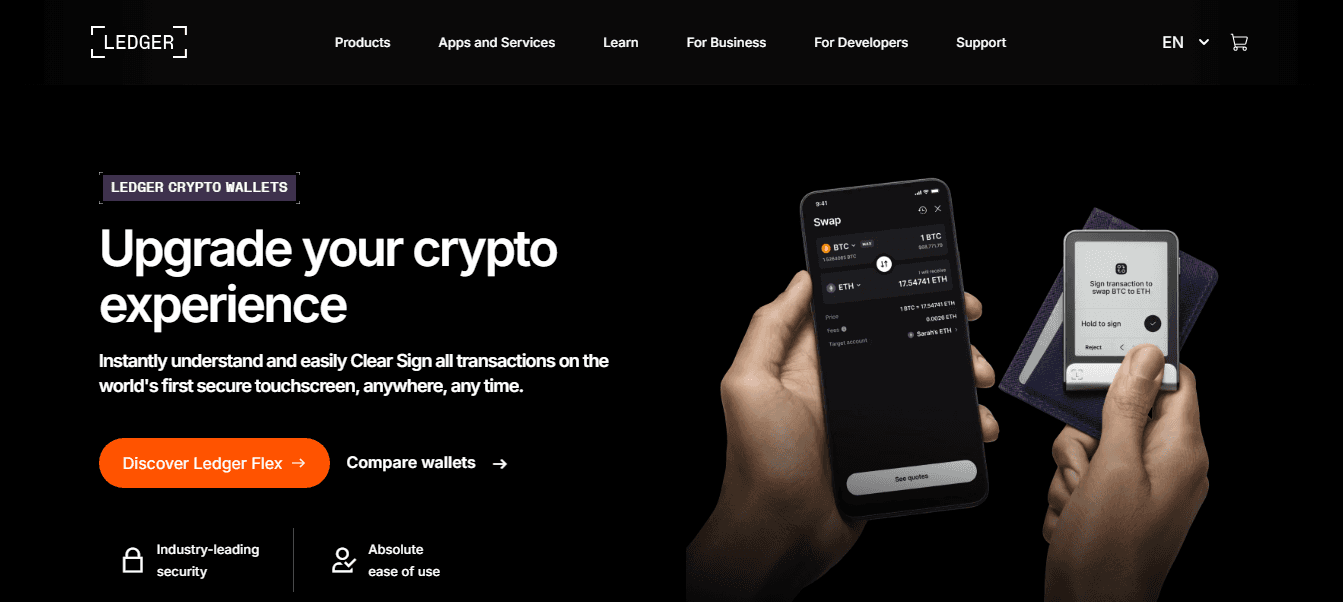
Ledger Login: Secure Authentication for Digital Asset Access
Ledger Login is a modern and secure authentication method designed to protect access to crypto-related accounts and services. Instead of relying on usernames and passwords, which are often vulnerable to hacking and phishing attacks, Ledger Login uses a Ledger hardware wallet as a physical authentication device. This approach ensures that only the wallet owner can approve login attempts, offering a higher level of protection and peace of mind.
As cryptocurrencies and blockchain services grow in popularity, the need for strong account security has become increasingly important. Ledger Login addresses this need by shifting authentication from vulnerable digital credentials to secure hardware-based verification.
What Is Ledger Login?
Ledger Login is a hardware-based login solution that allows users to authenticate themselves using a Ledger hardware wallet. When a login request is initiated, the user must confirm it directly on their physical device. This confirmation proves ownership of the cryptographic keys required for authentication.
Unlike traditional systems that store passwords on centralized servers, Ledger Login does not rely on shared secrets. Private keys remain securely stored inside the hardware wallet and are never exposed to the internet or third-party systems.
How Ledger Login Works
Ledger Login uses cryptographic signatures to verify identity. When a user attempts to log in, a unique authentication request is generated. This request must be approved on the Ledger hardware wallet, which signs it using secure cryptographic keys.
The signed request confirms that the user possesses the correct private keys without revealing them. Since the signing process occurs within the hardware wallet, attackers cannot intercept or misuse the keys, even if the connected computer or phone is compromised.
Advantages Over Traditional Login Methods
Traditional login systems depend heavily on usernames and passwords. These credentials can be stolen through phishing emails, fake websites, malware, or data breaches. Ledger Login eliminates these risks by removing passwords entirely from the authentication process.
Because login approval requires physical interaction with the hardware wallet, unauthorized access becomes extremely difficult. Even if an attacker gains access to a user’s computer, they cannot log in without the Ledger device.
Setting Up Ledger Login
Setting up Ledger Login begins with a properly initialized Ledger hardware wallet. The device must be secured with a PIN and backed up with a recovery phrase. During setup, the wallet is linked to supported authentication services.
Once configured, Ledger Login can be used whenever authentication is required. The process is designed to be user-friendly while maintaining strict security standards. Clear prompts guide users through each step, ensuring accurate and intentional approval.
User Experience and Ease of Use
Despite its advanced security features, Ledger Login offers a smooth and straightforward user experience. Login requests appear on the hardware wallet screen, displaying relevant details so users can review them before approval.
While the process may take slightly longer than typing a password, the added security is substantial. Users gain confidence knowing that their accounts cannot be accessed remotely or without their explicit consent.
Protection Against Phishing and Fraud
Phishing attacks are one of the most common threats in the crypto space. Ledger Login provides strong protection against these attacks by requiring physical confirmation on the hardware wallet.
Even if a user unknowingly visits a fake website, the attacker cannot complete the login process without access to the hardware wallet. This requirement effectively neutralizes many common phishing techniques and social engineering scams.
Hardware-Based Authentication Benefits
Ledger Login represents a shift toward hardware-based authentication, which relies on something the user physically owns rather than something they remember. This approach significantly enhances security, especially for high-value accounts.
By tying authentication to a physical device, Ledger Login reduces the risk of credential reuse, brute-force attacks, and unauthorized access. It aligns with best practices for protecting sensitive digital assets.
Privacy and Data Protection
Ledger Login is designed with privacy as a core principle. It does not require users to share personal information or store sensitive data on centralized servers. Authentication is handled through cryptographic verification rather than personal credentials.
This decentralized approach minimizes data exposure and reduces the risk of large-scale data breaches. Users maintain control over their authentication process without relying on third parties to protect their information.
Recovery and Device Security
As with any hardware-based system, proper recovery planning is essential. Ledger Login depends on the security of the hardware wallet, which is protected by a PIN and recovery phrase.
If the device is lost or damaged, users can restore access using the recovery phrase on a new device. Safely storing this phrase offline ensures continuity of access while maintaining strong security.
Ledger Login as Part of Multi-Layer Security
Ledger Login can be used as part of a broader security strategy. Combining hardware-based authentication with other security measures creates multiple layers of protection.
This layered approach is particularly valuable for users who manage large crypto holdings or access sensitive blockchain services. By adding Ledger Login, users significantly reduce the risk of unauthorized access.
Use Cases for Ledger Login
Ledger Login is ideal for users who want enhanced security when accessing crypto platforms, wallets, and blockchain services. It is especially useful for individuals who prioritize self-custody and privacy.
Professionals, long-term investors, and security-conscious users benefit from the added protection that hardware-based authentication provides.
Limitations and Practical Considerations
While Ledger Login offers strong security, it requires access to the hardware wallet for each login attempt. Users must keep their device nearby, which may be less convenient in some situations.
However, for most users, this minor inconvenience is outweighed by the significant security advantages. The requirement for physical confirmation is a key strength rather than a weakness.
Best Practices for Using Ledger Login
To use Ledger Login safely, users should keep their hardware wallet secure and never share their PIN or recovery phrase. Reviewing login details carefully before approval is essential.
Keeping device firmware up to date and avoiding untrusted computers further enhances security. These practices help ensure that Ledger Login remains a reliable authentication method.
The Future of Secure Authentication
Ledger Login reflects a broader movement toward safer and more resilient authentication systems. As cyber threats become more sophisticated, hardware-based solutions are increasingly recognized as a strong defense.
By combining cryptographic security with user-controlled verification, Ledger Login sets a high standard for protecting access to digital assets and services.
Conclusion
Ledger Login is a powerful authentication solution that replaces vulnerable password-based systems with secure hardware verification. By requiring physical approval on a Ledger device, it ensures that only authorized users can access crypto-related accounts.
With strong protection against phishing, enhanced privacy, and full user control, Ledger Login offers a reliable and forward-looking approach to secure authentication. For anyone serious about protecting access to their digital assets, Ledger Login provides confidence, control, and peace of mind.